
OUR LATEST INSIGHTS

Up to date, high-level business information that is relevant to our clients and contacts, helping keep up to date on the ver-changing business world of today.

Joe Weppler / November 20, 2020

The Future of the Office

In the twentieth century, tech brought people to the office – but now it’s sending them home. For decades, employees needed to go to the office to use the fax machines, computers, phones and files they needed to complete their work. A sense of community and easier management were just added benefits. Since the start of the pandemic though, employees and employers alike have realized that shared office space is not as necessary as it once was, and tech is the main reason.

From messaging apps, video conferencing platforms, and shared docs, technology has allowed people to leave the office behind and work from the comfort of their homes – and be just as, if not more, productive.

It has been reported that since March, 62 percent of employed Americans have worked from home. Last year only 25 percent of employed Americans worked from home. Although the switch from working in the office to working from home was forced and not optional in many regions, many companies have realized that, although not perfect, working from home has many benefits and many are considering maintaining work-from-home even after the COVID-19 pandemic subsides.

One problem with working from home is the minimization of collaboration. Despite the various apps created to aid teams working from a distance, it is impossible to recreate the in-office experience. Managers have noted the lack of in-person conversations, inability to have daily run-ins in the hallways, and video meetings have negatively impacted creativity and company culture. For this reason, many businesses would opt to go back to the office at least part of the time instead of working exclusively from home.

Employees, on the other hand, report being more productive while working from home and 80 percent have enjoyed the time away from the office. One of the biggest benefits of working from home is the lack of a commute. Removing a daily commute to and from the office has created a better work/life balance which helps people decompress and feel ready for the next workday.

Will we ever go back?

If businesses do decide to go back to the office, there will need to be new measures in place to not only protect the health and wellness of employees but also create an environment that employees want to go back to.

The first decision businesses need to make is what the new function of the office will be. Will it be the same as it was pre-pandemic where the entire staff is present all the time, a hybrid model where employees can divide their time between work and home, or a collaborative space where employees only come in for meetings and training.

Whichever plan they pick, there will need to be new health and safety measures in place to protect staff and help people feel comfortable. Air filtration systems, touchless and contactless corridors, touchless technologies, carpooling programs to limit public-transit use, and increased sanitization are the most likely measures offices will need to implement to satisfy employees and health and safety committees.

The Rise of the Communal Office

Over the last decade, communal working spaces, like WeWork, have become more popular with young professionals, start-ups, and small businesses. Instead of having their office buildings, companies, or individuals, will opt to rent desks in a co-working space.

Many predict that communal offices will become even more popular after the pandemic. Companies have realized the benefits of employees working from home and now see offices as a place for communal work and training instead of everyday workspaces. Instead of paying monthly rent for entire office space, some organizations will opt to give up their big, expensive offices in urban centers, opting instead for smaller co-working spaces outside of city cores.


Joe Weppler / November 13, 2020

Preparing your Business for the Holiday Season

The holiday season this year is going to be a little different. Instead of rushing to the mall to find great deals and the perfect presents, consumers will be shopping from their laptops. Criteo, a leader in eCommerce marketing, found that 88 percent of consumers this year plan to shop online this holiday season. To adapt to the changing nature of shopping, businesses will need to pivot their focus to eCommerce and updating infrastructure to ensure they can handle the shift.

Here are three ways for businesses to upgrade their business plan and make it through the holiday season.

Improve User Experience

Over three-quarters of American consumers said they have shopped at new stores online since March when restrictions were put in place. Since there are so many competitors in the eCommerce field, companies need to stand out and build relationships with their shoppers. Enhancing the user experience of your website is a good way to attract more shoppers and build loyalty. A few ways to enhance user experience include:

Personalized recommendations: According to research from SWEOR, on average, consumers decide if they like a website within 50 milliseconds of opening it, and 38 percent will leave the website if they find it unappealing. An effective way to instantly grab a shopper’s attention is to highlight products you know they will like. Using consumer data, recommend items for each consumer on the front page and update your website to highlight popular holiday items. Including personal recommendations at the checkout and the bottom of the page will also help your website connect with shoppers.

Stock Updates: The biggest disappointment while online shopping is going to your cart, beginning checkout and seeing the notification that an item has sold out. Shoppers instantly feel deflated and often leave the other items in their cart without buying. Including real-time stock updates on your website will help curb any future disappointment and help build trust.

Improved Infrastructure: Having a slow website dissuades consumers. If a website does not load within three seconds, visitors are likely to give up and move to another site. As we go into the holiday season it is a good time to run a load test to see if your server can handle more traffic.

Upgrade your Shipping Practices

Shipping is an integral part of great customer service. A delayed or lost package can damage a shopper’s opinion of a brand and deter them from returning. This holiday season is going to be busy – and delays are inevitable – but there are a few steps your company can take in preparation to help you get through the season without a hitch.

Offer different options: Providing a variety of ways for shoppers to get their items does not only help mitigate your costs and effort, but also makes consumers happy. If you have a brick-and-mortar location, offer shoppers the option to pick up items in store. If possible, you can also offer same-day-shipping and free-shipping options.

Memorable packaging: A survey from Dotcom Distribution found that 40% of consumers are more likely to make repeat purchases from brands with premium packaging. A good way to step up your delivery is to use memorable packaging – and you don’t have to break the bank to do it. It can be as simple as including a company sticker on the box, custom tissue paper, or including promotional items in orders.

Adapt Marketing

With so many competitors out there, it is important to make your brand stand out. Adapting your marketing strategy during the holidays is a good way to keep your brand relevant and cut through the noise. Here are a few ways you can upgrade your marketing during the holiday season.

Offer free shipping and wrapping paper: Although the holidays are a crazy time for everyone, it can benefit your brand to take the extra step and offer your shoppers a little bonus. Offering free-shipping and wrapping paper during the holiday season is an easy way to show your shoppers you care, and even such a little action could turn them into repeat customers.

Holiday Content Calendar: Keeping a constant flow of content on social media platforms grabs consumer attention and increases the chances of shoppers making the jump from your social pages to your eCommerce site. From your blogs to each social media feed, create holiday-themed content that highlights not only your product but also your brand’s values.

Giveaways: Grab attention, and interest, by holding seasonal giveaways. Giveaways can be something as small as a gift card or even a gift basket with various items from your store or other local businesses.

Happy Holidays!

Joe Weppler / November 6, 2020

Reducing the Environmental Impact of Your Shipping Plan

The recent e-commerce boom has positively impacted retailers and shoppers by increasing the bottom line and making shopping easy. Shoppers love the convenience of being able to browse, select and receive from the comfort of their homes. The development of same-day and two-day shipping has only increased the desirability. Unfortunately, e-commerce and the highly desirable same-day shipping does not benefit the environment.

When e-commerce and home-deliveries first started to become prominent in the retail world, it was praised for being beneficial for the environment. Researchers determined online shopping was ‘greener’ than brick-and-motor shopping since fewer people are making personal trips in their car and multiple orders could be delivered at one time in one truck. But these predictions were made before the boom of same-day deliveries and the prominence of convenience shopping online.

The desire for quick deliveries limits any environmental benefit of e-commerce. To fulfill all the same-day orders, retailers now rely on multiple delivery drivers to fulfill orders and need to use more packing materials. At its worst, with one delivery per trip, carbon emission can be 35 times greater than a delivery-van making multiple-stops.

The holiday season only increases the environmental impact.

Every year, retailers see a spike in orders during the holidays. From Thanksgiving to New Year’s Day there is an increase of 25 percent in extra waste from retail shipping alone. As we go into the holiday season it is a good time for businesses to reconsider their shipping practices to help curb excess waste.

Decrease Package Material Waste

One of the best ways to cut down on your business shipping waste is to cut down on the material you use to ship an item. Instead of using the same size box for every order, consider the size of the item or items being shipped and the size of the box needed to keep the items safe while shipping. Your company may first need to invest in shipping software to help optimize packaging. The software can develop packing presets based on your items and create a list of rules based on dimensions and weight of the order, so you fully utilize the box and do not waste any cardboard.

Using a smaller box is not the only way to cut down on waste. Using less package filler and switching to digital packaging slips and receipts waste less paper and plastic and cut down on your carbon emissions.

Use Biodegradable Packaging

According to a study by the Fast Company, 165 billion packages are shipped in the US each year– equal to more than one billion trees. All the packages are shipped in a large cardboard box, filled with plastic-wrap, tissue-paper, and wrapped in masking tape. Although the cardboard boxes used are technically recyclable, most of them end up in the landfill and not the recycling plant because they are deemed too contaminated to be recycled.

Switching to a biodegradable alternative –such as air-pillows made of recycled materials mushroom packaging, and organic materials like hemp or recycled cotton– can help cut down on the waste that ends up in landfills and oceans.

As a bonus, biodegradable packaging is not only good for the environment. It also benefits your companies, and your customers, wallets. Biodegradable packaging tends to be less expensive to create and is lighter compared to non-biodegradable alternatives. Since biodegradable packaging weighs less, it is cheaper to ship.

Reduce, Reuse and Recycle

If you are not ready to make the switch to biodegradable materials, consider opting for recycled materials instead. Using recycled materials for both boxes and fillers can help reduce waste and save you money. Boxes are not the only shipping items you can get made from recycled paper, many companies now offer recycled mailers, fillers, and cushioning.

Bundle Items

Recently retailers have opted to remove minimum spending requirements on the delivery order. Before a shopper would need to spend on average 25-50 dollars, and therefore need to buy a couple of products, before qualifying for two-day shipping. Enforcing minimum spending would reduce the number of carbon emissions by limiting the number of trips made, and reduce cardboard waste. Now consumers are free to order one item which increases the number of delivery trips and boxes used.

As a retailer, opting to enforce minimum spending would make it easier to bundle items. Doing this would reduce not only your business’ carbon emissions, but also reduce the amount of packaging used and save you costs in shipping and packaging.

Joe Weppler / October 30, 2020

Engaging Customers During a Pandemic

Uncertain times are challenging. As the economy plunges into recession, analysts across the world have been using market-based data to track the effects of the coronavirus pandemic on the various pieces that make the economy tick, sorting which have stabilized and which continue to struggle.

The Johnson Redbook Index measures the growth in U.S retail sales. For the fifth straight week, Johnson Redbook’s weekly measure of retail sales exceeded year-ago levels — suggesting that consumer spending may be a lot more durable than originally thought despite declining financial support from the government.

Of course, the face of retail has shifted dramatically to comply with the restrictions and mandates put forth to keep us healthy, and many businesses are struggling with the marketing required to keep up with the changes. Here are a couple things to consider in terms of marketing your business in the new normal:

Make Use of Your Valuable Storefront

If your shop or restaurant just has a small note on the door that reads “Sorry — we are currently closed due to the pandemic,” you’re missing a big marketing opportunity. While there may be less traffic downtown, there are still plenty of people walking the streets.

Provide ways for people to engage with your business — whether that’s directions to follow your social media accounts, an email to contact to join your newsletter or a QR code to scan that takes them to your website for delivery. You can also use your storefront to provide information. Modified business hours, your safety precautions and future plans — even your timeline for reopening.

Do you or one of your employees have a flair for the creative? Create some fun displays or a piece of art right on the glass. Advertise some of the products they can find in your online store, with clear directions on how to purchase. Can’t provide indoor dining? Turn your dining area into a staging area in order to create a food truck-style takeout service out of your front door.

Try New Things With Digital Marketing

If you’ve found yourself with a little more downtime on your hands, you’re not alone. One great way to spend that time is examining those digital retail and marketing opportunities you’ve heard about but never implemented. Maybe they seemed unattainable or simply unrealistic, when in reality they just required a little more time than you had to give.

Would your business benefit from a newsletter or mailing service? How about an SMS update system or a series of promo videos? What if you went even further and priced out what it would take to create an app for your business, or make sure your website is optimized for mobile?

Digital marketing can be daunting, especially for smaller shops. But a little research can take you a long way!

Engage Locally, Digitally

If you were to hire a marketing firm from the other side of the country to run your social media, they would tell you that one of the hardest parts of their job is emulating local interaction. While research can go a long way, first-hand experience is an extremely valuable marketing tool.

You know what businesses surround yours, who your regulars are, and which charities and organizations are making a difference in your community. An excellent method of digital marketing is getting involved, celebrating and sharing those local engagements.

Record a short video testimonial on your phone for a local charity. Take a screenshot of your local business zoom meeting. Share a picture of the great lunch you got from the restaurant across the street. Ask a regular if they’re interested in being featured on your social media in the new outfit they bought from your online store.

By engaging in your community and sharing it online, you remind your customers that you’re there, that you’re an asset to the community, and that you’re all in this together.

Joe Weppler / October 23, 2020

A Review of 2020 Telecommunication Trends

Over the past year, the telecommunications industry has seen some significant change. From an increased focus on smart cities to better tech security here’s a look at some of the telecom trends that have seen growth in 2020.

The Internet of Things

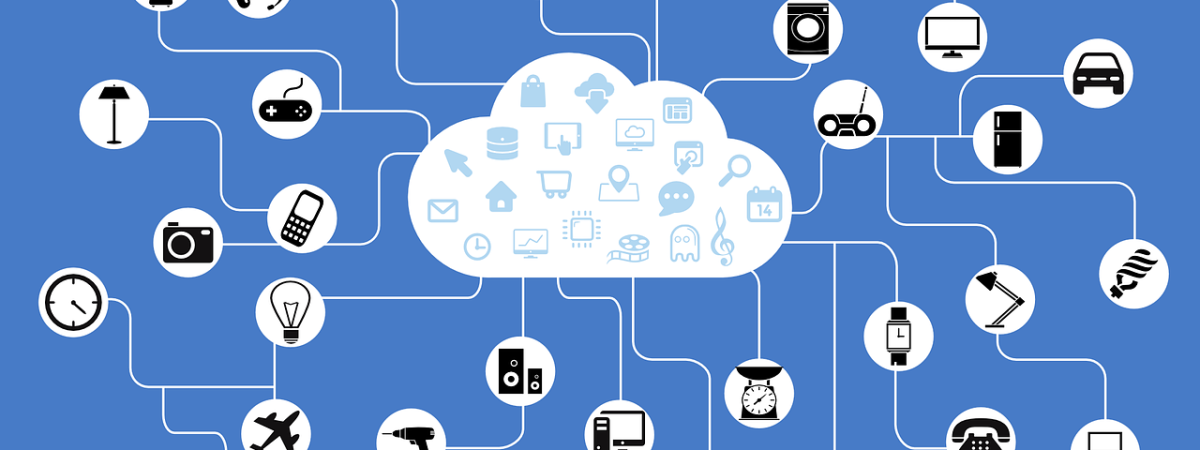
The Internet of Things (IoT) is the connection of powered devices to the internet. If your home has a lamp, coffee maker, air conditioner or any other appliances connected to the internet then you are living in an IoT network. Experts predict that 30 billion devices are predicted to be connected to the IoT network by 2021.

IoT networks are used to develop smart cities − urban areas built on frameworks of information and communication technologies that promote sustainable development. Essentially, a smart city is a city connected to the internet. Examples include traffic lights with sensors so it can time the light-changes based on live traffic, parking sensors to provide a map of open spots, sensors to monitor air quality and traffic congestion, and garbage sensors for automatic collection.

Smart cities will help urban areas be more sustainable by improving energy distribution, helping to clean the air, reduce traffic congestion and improve trash pick-up.

The telecom industry plays a big role in the development of IoT networks because telecom businesses are providers of IoT connection. Additionally, telecom businesses use IoT networks to monitor remote data centers to keep their systems running.

5G

The need for speed is not a new concept to the telecom industry. Since the start of the internet, telecom leaders have been working to develop bigger bandwidths and faster networks to support new technology and consumer needs. 5G is the most recent development to help accomplish this goal.

5G stands for “fifth generation” because it is the latest generation in a series that started with 1G, the analog cellular technology. 5G will deliver fiber-level speed, move more data, allow more devices to be connected, play higher resolutions videos, and allow for large IoT networks.

5G is also expected to change the role of the telecom industry. By implementing 5G, telecom businesses will take on the role of a service provider, not just a tech distributor.

Biometric Security

As we rely more on the internet, smart devices, and the cloud to store our private information, the telecom industry needed to develop new security precautions. Biometric identification has been the first choice of many telecom leaders.

Biometrics are systems and devices that confirm a person’s identity by comparing saved data to the live person. For example, when you use your finger to unlock your phone, the device is comparing your fingerprint to the data saved. If it matches, the phone is unlocked.

The New Space Race

Over the past year, Jeff Bezos, Greg Wyler and Elon Musk have been publicly competing in what is deemed the ‘new space race.’ The tech gurus are working to develop low Earth orbit satellites (LEO’s) to give every person on Earth access to high-performance broadband internet.

The goal is to launch thousands of small LEO’s to sit 500-2000 kilometers above the Earth’s surface. Traditional satellites are 36,000 kilometers from Earth. If successful, the satellites will be used to provide isolated communities with broadband access and develop infrastructure for various industries like mining and energy.

Joe Weppler / October 2, 2020

Benefits of Reducing Electronic Waste

According to the Global E-waste Monitor 2020, the world generated a record 53.6 million metric tonnes of e-waste last year. In 2014, that number was closer to 44 million, and it’s expected to grow to 74.7 million by 2030.

In stark contrast, the formal documented collection and recycling of e-waste in 2019 was 9.3 million metric tonnes — 17.4 percent of e-waste generated.

E-waste contains several toxic and hazardous substances, posing significant risks to the environment and human health. In fact, a total of 50 tonnes of mercury alone are found in globally undocumented flows of e-waste annually.

Despite the health-risks — e-waste collection sights are considered ‘urban mines.’  The value of the raw materials alone contained within the 53.6 million metric tonnes generated last year equal out to approximately 57 billion USD.

In light of these statistics, the 2020 Monitor states that it’s essential that the planet substantially increases the documented global e-waste collection and recycling rate. Here are some ways you and your business can help:

Donate Older but Still Functional Electronics

Once your electronic devices reach the end of their usefulness to you, that doesn’t mean they can’t still be valuable to others. Donated machines can help many people who don’t have the means of purchasing them new. Seeking out organizations in your community that refurbish and donate used electronics can be an excellent, environmentally-friendly and socially conscious method of recycling.

Research Responsible E-Waste Haulers

If you’re engaging a vendor to recycle your e-waste on your behalf, make sure that they’re committed to processing your old devices in a secure, sustainable and cost-effective manner. They should have some form of sustainability reporting for you to review, proper refurbishing protocol, and a certified process for destroying any residual data left over on electronic devices. Despite your best intentions, if your hauler is simply throwing your devices in a landfill at the end of the day, you’re not recycling.

Seek Out Cloud-Based Opportunities

Cloud-based data storage and computing can help you be proactive about your e-waste footprint. Not only do you need less physical storage if you’re leveraging the cloud, but you also lessen the demand on your physical drives. That means they last longer and require replacement less often. Not to mention, most businesses that switch over to cloud based-services report increased security and cost-savings.

At the end of the day, making a conscious effort to reduce electronic waste will help you and your business save money and energy, and reduce negative effects on the environment. Seems like a no-brainer!

Joe Weppler / September 25, 2020

Does Same-Day Delivery Work for Your Business?

As consumers rely more on e-commerce for their needs and wants, their desire for instant gratification does not dwindle. Consumers want their packages to arrive at their doors as quickly as possible, and as a result, same-day delivery has become the new benchmark.

Trends and Statistics:

In 2019, the value of the same-day delivery market was USD 5.87 billion, and by 2024 it is expected to be worth USD 15.60 billion. Automation and increased internet and smartphone usage are the main factors behind the exponential growth.

Another unexpected factor is the pandemic. As people avoid the mall and opt to shop online instead, deliveries have increased. To keep up with all the orders, brands have started to use storefronts as extra storage, bought mini-warehouses and opened dark stores — retail distribution centers that cater exclusively to online shopping.

Benefits:

Same-day delivery offers brands numerous alluring benefits. One of the biggest and most tempting is increased customer satisfaction. The digital world has given consumers access to an endless number of brands to choose from. If they are dissatisfied with one, they’re quick to find another.

Although endless options are good for the consumer, it leaves brands struggling to find ways to build customer loyalty.

Same-day delivery became an effective way to increase customer satisfaction and build strong connections with consumers. According to a recent study, 98 percent of consumers base their brand loyalty on their delivery experience and 84 percent would not buy from a brand after a poor delivery experience.

Increasing customer satisfaction ultimately leads to a second benefit: increased sales. Numerous studies have found offering same-day shipping increases conversion rates by 20-30 percent. In other words, a consumer is 20-30 percent more likely to complete their purchase when offered same-day delivery.

Challenges:

Implementing and maintaining same-day-delivery is not an easy task, and any company considering it should keep in mind the challenges they may face.

The biggest challenge is logistics. If a business does not have a proper system in place, getting a product from warehouse to consumer within 24 hours can be an impossible task.

Cost is another challenge. Although same-day-delivery can help increase sales, it does not come cheap. Increasing efficiency is the best way to reduce costs and increase profit. Many smaller companies opt for ‘batch’ deliveries to reduce the number of shipments, while others put an order minimum in place.

Lastly, staffing. Not only do businesses need to ensure they have enough staff, but also make sure staff are properly trained. Brands considering same-day-delivery need to decide if they are going to hire new staff or divide the work among current employees. Both options require planning and training to ensure the transition is smooth and effective.

Deciding what’s right for your business.

Same-day shipping is not beneficial for every business. Before jumping onto the trend, it’s important you take the time to consider if it’s right for your bottom line. If you can’t ensure great customer service for every delivery, then you run the risk of making false promises.

There are four prerequisites required for any business looking to implement same-day-delivery.

Product Availability: Brands must ensure they have enough products locally available. It is easier for big retailers to implement same-day-delivery since they already have various stores throughout the city with stock, but small retailers will need to invest in their warehouse network.

Real-Time Product Visibility: If a business does not know what products they have available and where the product is, it will be impossible to guarantee same-day delivery. Brands should first invest in their IT structure so they can track their product throughout the entire supply chain.

Fulfillment Capacity: Same-day-delivery requires the product to be picked, processed and shipped within 24 hours. Companies need to have proper logistics infrastructures set in place to reduce lead time and have the product ready to be shipped quickly. Real-time product visibility and a good warehouse network is a good starting point. Brands can make sure they can provide same-day-deliveries by auditing their supply-chain to find and fix any problems or delays, and investing in cartonization software to reduce packaging cost and time.

Flexible Last-Mile Capability: Last-mile delivery is the movement of a product from the transportation hub to the destination. Last-mile logistics are used to make sure this final stage is quick, and speedbumps are avoided. Investing in a new logistics system can help brands quickly respond to problems and get the product to the consumer on time.

Joe Weppler / September 18, 2020

Chargebacks & Friendly Fraud

If your business accepts credit cards, you’re likely familiar with the basics of credit card fraud and chargebacks. If you’re not, here’s the rundown:

Banks, payment processing networks and fintech companies pump millions of dollars and countless research and development hours into keeping our payment options secure. Despite their best efforts, credit cards and PINs still get stolen.

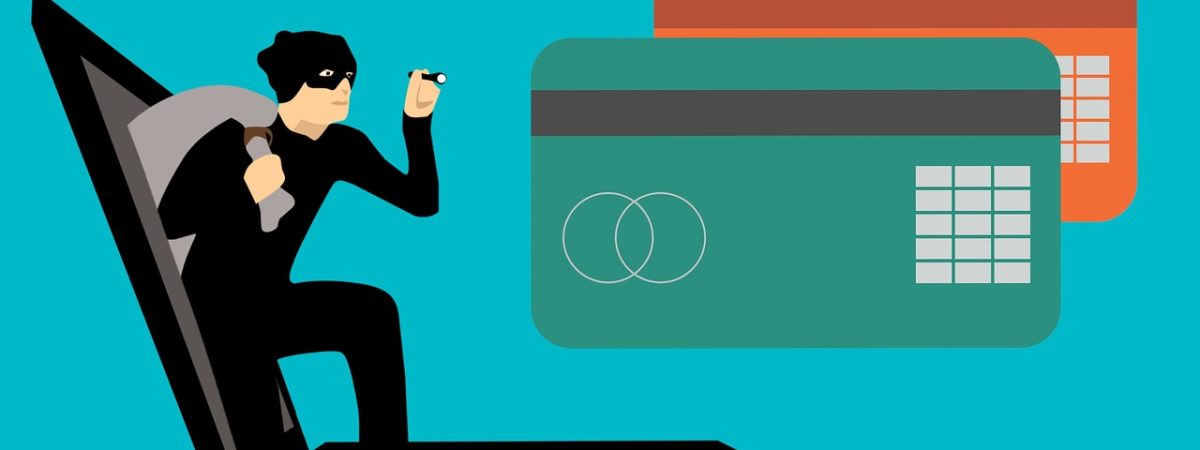
In the case of true fraud, a stolen credit card is used without authorized access. If you’re unfortunate enough that the fraudster used the stolen card to pay for something from your business, you’re likely to be subjected to a chargeback when the fraud is detected. That means the real cardholder gets a refund, and that refund comes from your account.

It’s a pretty straightforward process. The cardholder notices a fraudulent charge to their card or their bank notifies them of suspicious activity. They then file a dispute about the transaction with their bank. The bank reviews the dispute, and if they think the cardholders claim is valid, they immediately issue them a refund. The bank then issues a chargeback to the credit card company, and the credit card company issues that chargeback to your business.

From there, you can either eat the cost of the chargeback and the associated fees, or you can dispute the chargeback. If you have sufficient evidence that the transaction was not fraudulent, the chargeback gets declined and goes all the way back down the line to the cardholder.

True fraud happens, and when it does, you don’t have many options as a business owner apart from eating the loss. However, true fraud isn’t the only source of chargebacks that you’ll come across as a business owner.

So called “friendly fraud” occurs when a customer, dissatisfied with some part of your product or service, requests a chargeback from their bank rather than come directly to you for a refund. While these types of chargebacks can be honest, they’re often cheap attempts from cardholders to have their cake and eat it too.

In the case of friendly fraud over a simple refund, you’re losing out on both the sale and the product. On top of that, you’re saddled with any extra processing fees that get tacked on for the chargeback. Plus, banks and credit card providers hate chargebacks. If you experience them frequently enough, you may find yourself being labeled a high-risk business, and that can come with significantly higher processing fees and extra rules.

While it is possible to fight a chargeback, there are pros and cons. If you can prove that the sale was legitimate, you’ll likely get the transaction amount back — plus you protect your reputation with the banks. On the flipside, not all chargebacks are fraud. Fighting a chargeback from a loyal customer who made a mistake or had a legitimate issue with their product can jeopardize your relationship with them. You might keep the sale, but is it worth it if it means you’re losing the business of a repeat customer?

At the end of the day, disputing chargebacks is a judgement call — and hopefully not one you have to make too often!

Joe Weppler / September 11, 2020

How the pandemic made AR and AI essential tools

As society started to adapt to the ‘new normal’, Artificial Intelligence (AI) and Augmented Reality (AR) technologies became essential tools to meet both professional and personal needs. Below is a list of three areas impacted by AI and AR technologies.

The Office

Social-distancing measures and other restrictions left companies wondering how to maintain day-to-day functions while following the new rules. Working from home was the most obvious solution, but there was still a concern about a loss of productivity. AI/AR were adopted by many companies to fill the gap between at-home and in-office work and keep productivity high.

The main benefit of AR is that it enables workers to work collaboratively from a distance. Videoconferencing over Zoom, or similar platforms, has become a staple during the pandemic, but VR technology takes it one step further. AR technology enables colleagues in separate locations to work in a shared virtual space and virtually look at the same object. AR is especially beneficial for people working on projects that require product design and other creative and hands-on industries.

AI has similarly been used to make working from home easier. To accommodate the mass number of workers switching to the home office, companies started to use more Chatbots and automated I.T. systems to help answer the questions employees had. AI tech is also used to automate scheduling and allow for the use of e-Signatures.

The Service Industry

New technological advancements always create a mass fear of job loss. During the industrial revolution, weavers prepared for the worst when the spinning jenny was released. Luckily, the revolution also created many jobs.

Workers today are not so lucky. The difference between the industrial revolution and the current pandemic-induced AI/AR revolution is speed. During the industrial revolution and more recent periods of technological revolution, the implementation of new technology was slow. Workers had time to retrain and find other avenues before the technology took over. Since the pandemic put AR/AI implementation into overdrive, there was no time or resources available to retrain staff and many were left without work.

Workers in the service industry were hit the hardest by the transition. To follow government regulations and reduce the risk of transmitting COVID-19, companies quickly replaced workers with machines. Hotel chains deployed robots to assist guests to their rooms. Call centers replaced people with chatbots to answer questions virtually. Tollbooths are now run by AI operators. The list goes on and on.

 Retail

Retail brands needed to find a way to quickly adapt to COVID-19 restrictions and regulations without risking the ambiance of an in-store experience. AR was a perfect solution. AR has three main functions: visualization, annotation, and storytelling. Together, the three replicate the in-store experience from the comfort of the consumers home.

Brands like Amazon and Wayfair use AR to create an easier shopping experience. Amazon’s newly announced “Room Decorator” lets shoppers virtually place multiple items into pictures of their homes to see how it will look. Similarly, Gucci recently partnered with Snapchat to let users try on eight of its shoes virtually.

Before the pandemic, AI and AR were used by retail brands to generate personalized recommendations, answer questions with chatbots and provide a realistic look at a product. Now, for many businesses, it has replaced the in-store experience entirely. Jon Cheney, CEO of Seek AR, predicts the use of AR by retail brands will continue to grow even after the pandemic ends. Once people experience the ease and flexibility of shopping from home, they will no longer feel the need to go to a physical store.


For better or for worse, the recent increase of AI and AR technologies is undeniable. Both have quickly become essential tools used in sectors ranging from retail to healthcare.  So next time you are shopping online, visiting a hotel, or working from home keep an eye out for how your experience is being tailored by AI and AR.

Joe Weppler / September 4, 2020

Benefits of Banking with Biometrics

Picture this. You walk up to your front door and a beam of light scans your eye. The door opens and you walk inside. As you take off your coat, you receive a notification on your phone about an abnormal charge on your debit card. You lift your phone to your face and are instantly looking at your recent bank statement.

No, you have not been transported to a new spy movie. You are living in today’s world of biometric identification.

Biometric identification refers to technological systems and devices that allow machines to confirm an individual identity by comparing saved data to the live person. If you have a phone that you can unlock with your fingerprint or face, then you are using biometrics. Banks are one of many industries to turn to biometrics and have been working for years to implement it both in the front and back-end of their apps and services. The goal is to create a system that is safe and secure but still allows users to access services quickly and without hassle.

Improves Consumer Experience

When using traditional username/password identification, users need to either go through the ‘forgot password’ process and answer Knowledge-Based Authentication questions or contact a call center. Biometric identification removes this process and makes the app more user-friendly.

Increases Security and Fights Fraud

Since more people are using banking apps instead of going to brick-and-mortar locations, banks need to ensure their apps and websites are secure.

Banks consider biometric identification as a key tool for fighting fraud and securing financial and personal data. Biometrics have gone through rigorous testing and are found time and time again to be safer than traditional passwords and username logins. According to a study by consulting firm Deloitte, three-quarters of corporate cyberattacks are caused by weak passwords. The same study reported that 56 per cent of employees use the same passwords for personal and corporate accounts and 20 per cent share passwords with other employees. Hacks are mainly caused by human error and repetition of passwords.

By removing the need for a PIN or password, biometrics increase security and reduce the threat of information being compromised by hackers.

Fast and Accurate

The process of entering a username and password is relatively quick until you forget your password and must go through the ‘forgot password’ process. Now logging-in, which should have taken less than a minute, takes five or more. Banks were receiving negative feedback about the password process as people became tired of resetting and remembering passwords and wanted to find a solution.

Biometric identification makes signing-in fast and accurate. Users just scan their finger, face, or in some cases eyes, and login immediately.

Not a Perfect Science

Biometric identification is not perfect. Like any technology, there are weak points that need to be taken into consideration before use.  Biometrics’ main weakness stems from its main strength; only accepting a perfect match. This means if a person’s finger is greasy, there is background noise or poor lighting, the device will not recognize the person as a match.

Biometrics is also not immune to hacking and fraud. Sadly, as biometric technology evolves, so does malware. Since the introduction of biometric identification, hackers have started to use deepfakes and voice biometrics to trick the biometric software. Hackers will use AI technology to create a holographic image of the person or use audio manipulation to copy a person’s voice.

Looking on the Bright Side

These negatives should be taken with a grain of salt. You do not need to fear being locked out of your banking app if you just ate a large fry and have no napkins. Nor do you need to live in fear of a person making an AI replica of your face.

Many banking apps that use biometric identification use multi-factor authentication (MFA). This means the user can sign in either using the biometric scan or switch to a PIN or password. Even if your finger is greasy, you can still access your bank statements.

New software is being developed to identify and stop any attempts to fake a voice, face or fingerprint. One way to do this is with passive biometrics. Passive biometrics study the user’s inherent behavior, such as how they hold their thumb when they unlock their device, how they move the mouse, or how they type on a keyboard. These characteristics are taken into consideration when a user logs-in and prevents hackers.

It is also important to remember that for someone to hack into your account using biometrics, they would first need to steal your device. Luckily, it is much easier to tell if your phone has been stolen than it is a password.

Whether you are wary or excited about the use of biometric identification, it is clear it is here to stay. Banks and other industries, like retail, have become reliant on the security and efficiency of biometric identification.